
Pre-Trip Inspection, Exterior
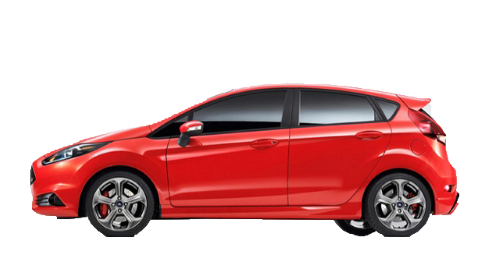
1. Check under vehicle on approach for obvious leaks, obstructions, etc.
2. Unlock all doors.
3. Inspect vehicle for possible damage, preferably from top to bottom, left to right in an anticlockwise direction.
4. Check right-hand exterior mirror for damage, cleanliness and stability.
5. Check right-hand portion of windscreen for damage and cleanliness.
6. Check right wiper blade for wear, stability and cleanliness and leave in extended position, if possible.
7. Check right-hand front wheel: tyre tread for wear and damage, sidewall damage, inflation, valve cap, oil, grease leaks and wheel nuts.
8. Check right-hand lenses and reflector for damage, cleanliness and stability.
9. Check front of vehicle for damage and security of bonnet or boot, grill and bumper.
10. Mention that oil, water, brake fluid and fanbelt should be checked.
11. Check front registration plate for damage, cleanliness, stability and validity.
12. Check left front lenses and reflectors as described in item 8.
13. Check left front wheel as described in item 7.
14. Check left-hand portion of windscreen as described in item 5.
15. Check left wiper blade as described in item 6.
16. Check Certificate of Clearance/Roadworthiness disc for validity. (If applicable)
17. Check left-hand exterior mirror as described in item 4.
18. Check left-hand doors for operation of doors and window winders. (If manually operative).
19. Check seat belts for stability and damage.
20. Check information plate for damage, cleanliness and validity. (If applicable)
21. Check left rear wheel as described in item 7.
22. Check left rear lenses and reflectors as described in item 8.
23. Check rear window for damage and cleanliness.
24. Mention that spare wheel, jack and wheel spanner should be checked.
25. Check rear of vehicle and exhaust as described in item 9.
26. Check chevron for damage, cleanliness, stability and validity, if applicable.
27. Check rear registration plate and light as described in item 11.
28. Check the left support leg of a trailer or jockey wheel for stability. (If applicable)
29. Check the trailer information plate as per item 20.
30. Check all spare wheels as described in item 7.
31. Ensure that the trailer park brake is off. (If applicable)
32. Check left rear wheel(s) of the trailer as per items 7.
33. Check left rear lenses and reflectors of the trailer as per item 8.
34. Check rear door(s), drop side(s) or window(s) of the trailer as per item 18.
35. Check rear chevron of the trailer as per item 26.
36. Check rear registration plate and light of the trailer as per item 11.
37. Check rear bumper of the trailer for damage and stability.
38. Check rear right-hand lenses and reflectors of the trailer as per item 8.
39. Check right hand rear wheels of the trailer as per item 7.
40. Check the right-hand support leg of the trailer as per item 28. (If applicable)
41. Check right rear lenses and reflector as described in item 8.
42. Check right rear wheel as described in item 7.
43. Check fuel cap for security.
44. Check right-hand doors as described in item 18.
45. Check that parking jacks for trailers are secure and in the up or travel position.
Note A:
On approach to the vehicle the examiner shall request the applicant to conduct a pre-trip exterior inspection prior to entering the vehicle.
Note B:
The examiner may allow minor defects to be rectified, however, no extra time shall be allowed. (The stopwatch shall not be stopped)
Note C:
The applicant shall not be penalised for the following:Should he/she fail to execute the pre-trip inspection in an anti-clockwise direction, Should he/she fail to raise the windscreen wipers from the windscreen, When he/she checks one wheel and later only refers to the other wheels, When he/she fails to check both sidewalls of a tyre for damage, and When checking those parts of the vehicle which he/she has to check, it is not expected of him/her to make mention of all the properties of that particular part.For example, when the wheels are checked, it is not expected of him/her to mention that he/she checks the tyre tread for wear and for damage to the sidewall, tyre pressure and the valve-cap etc. When it is clear to the examiner that the applicant has paid attention to the specific parts, (whether mentioned or not) he/she shall be credited.Note C applies only to module 1.
Note D:
Brakes on trailersThe following information from the Road Traffic Act shall be taken into consideration.* In the case of a semi – trailer not exceeding a GVM of 750 kg,no person shall operate on a public road a trailer, if –
(a) the mass of such trailer and any load thereon is 750 kg or less and
– (i) does not exceed half of the tare of the drawing vehicle, unless such trailer is equipped with at least a parking brake or a device for keeping such trailer stationary; or
– (ii) exceeds half the tare of the drawing vehicle but does not exceed such tare, unless such trailer is equipped with a parking brake and either an overrun brake or a service brake;
* In the case of a trailer or semi – trailer exceeding a GVM of 750 kg,no person shall operate on a public road a trailer, if
–(j) the gross vehicle mass of such trailer exceeds 750 kg, but does not exceed 3500 kg and does not exceed the tare of the drawing vehicle, unless such trailer is equipped with a parking brake and either an overrun brake or a service brake.
-(k) the gross vehicle mass of such trailer exceeds the tare of the drawing vehicle, unless such trailer is equipped with a parking brake and a service brake.